A remote team is still a human team
Working without an office is effective for producing, documenting and deciding asynchronously. What video makes harder is everything else: the corridor chat, the trust that builds over a shared meal, reading a disagreement in someone's face.
Companies that made remote work a founding principle know this, and most say so openly. Their in-person gatherings are not a perk: they are organisational investments, planned long in advance.
What genuinely fully remote companies say
Several companies publish their practices openly. We cite here only what they have published themselves.
- Automattic (WordPress.com): its "Grand Meetup" is an annual gathering of about a week. Matt Mullenweg describes it as the one time in the year when nearly the whole company is in one place, to catch up with colleagues, discuss the work and align on goals. For the 2019 edition discussed on the Distributed podcast, estimates ranged around 800 to 900 people.
- GitLab: the company, which has no office, holds an annual gathering (the "Summit", later called "Contribute"). It states that attendance is not mandatory, but that it is a unique chance to bring together the people who make GitLab. It cites around 575 attendees for the 2019 edition.
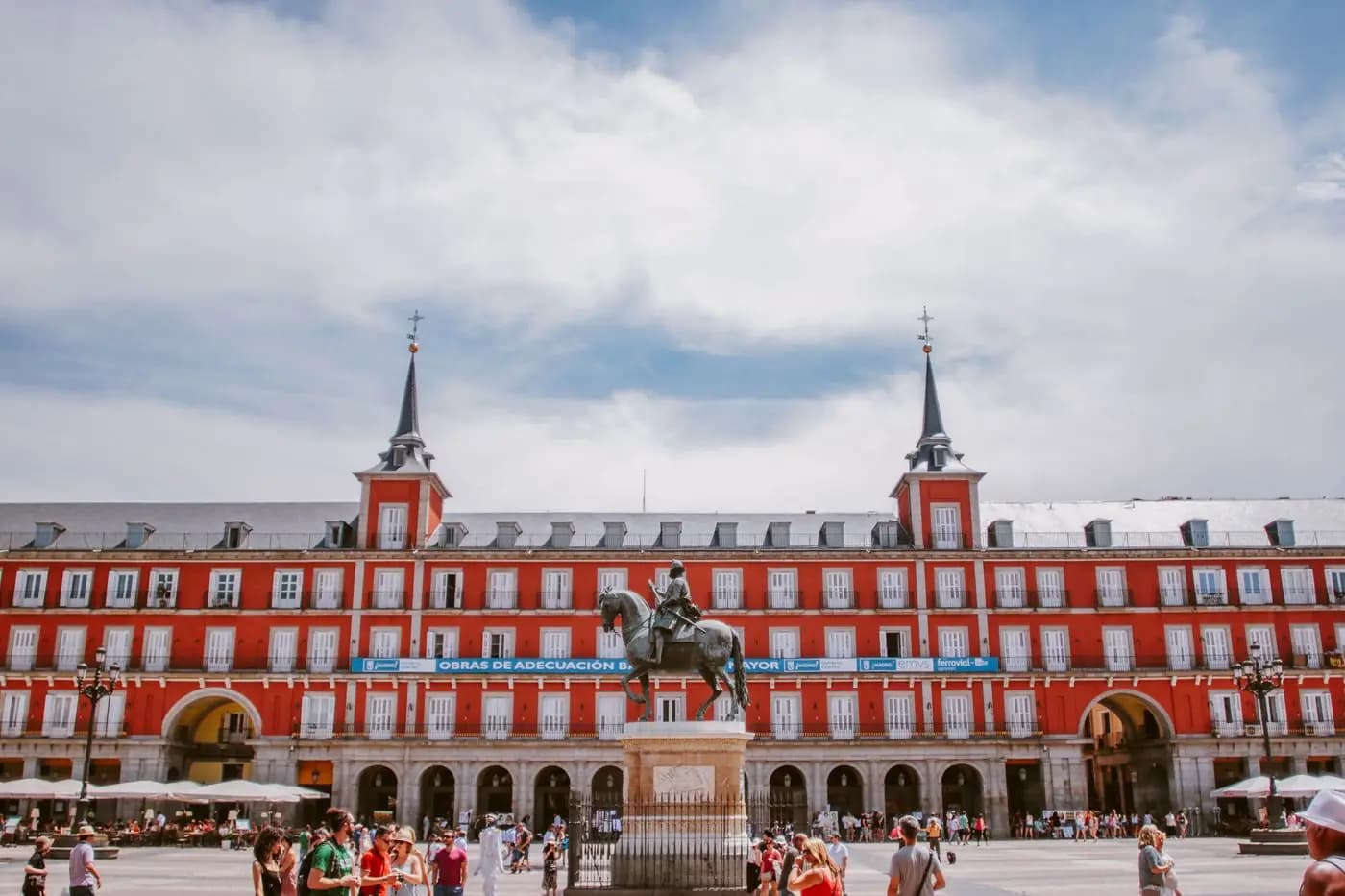
- Buffer: in February 2017 its fully remote team of 75 gathered in Madrid for its 8th retreat. CEO Joel Gascoigne saw it as a way to bring the team closer after a difficult year.
- Zapier: the company's own blog post explains that some things happen more easily in person, notably the spontaneous, deep conversations that rarely occur remotely unless you make them happen.
- Doist (maker of Todoist): its handbook says its annual team retreat has existed since 2015, starting in Menorca, and presents it as an essential investment in company culture rather than a perk.
Four good reasons to invest in meeting up
Beyond the examples, four logics recur in these public practices.
- Connection. Automattic speaks of social capital that erodes when people only communicate in writing. A week together rebuilds it.
- Trust. It is easier to delegate to someone whose voice, humour and reactions under pressure you know.
- Hard decisions. Priorities, reorganisations, trade-offs: these topics are better handled at the same table, with time before and after the session.
- Culture. A distributed team's values stay abstract until someone sees them at work. Workshops, open-floor talks and shared meals make them concrete.
At Zapier, for instance, the team chose to keep the week for what cannot be done remotely: a multi-day hackathon or an "unconference" where participants pick the topics, followed by more relaxed moments (games, karaoke, hiking).
Why Spain suits these gatherings
A distributed team arrives from several countries, often several continents. What matters then is ease of access and the ability to keep everyone in one place.
- Access. Madrid-Barajas and Barcelona-El Prat are major hubs, which limits connections for a scattered team.
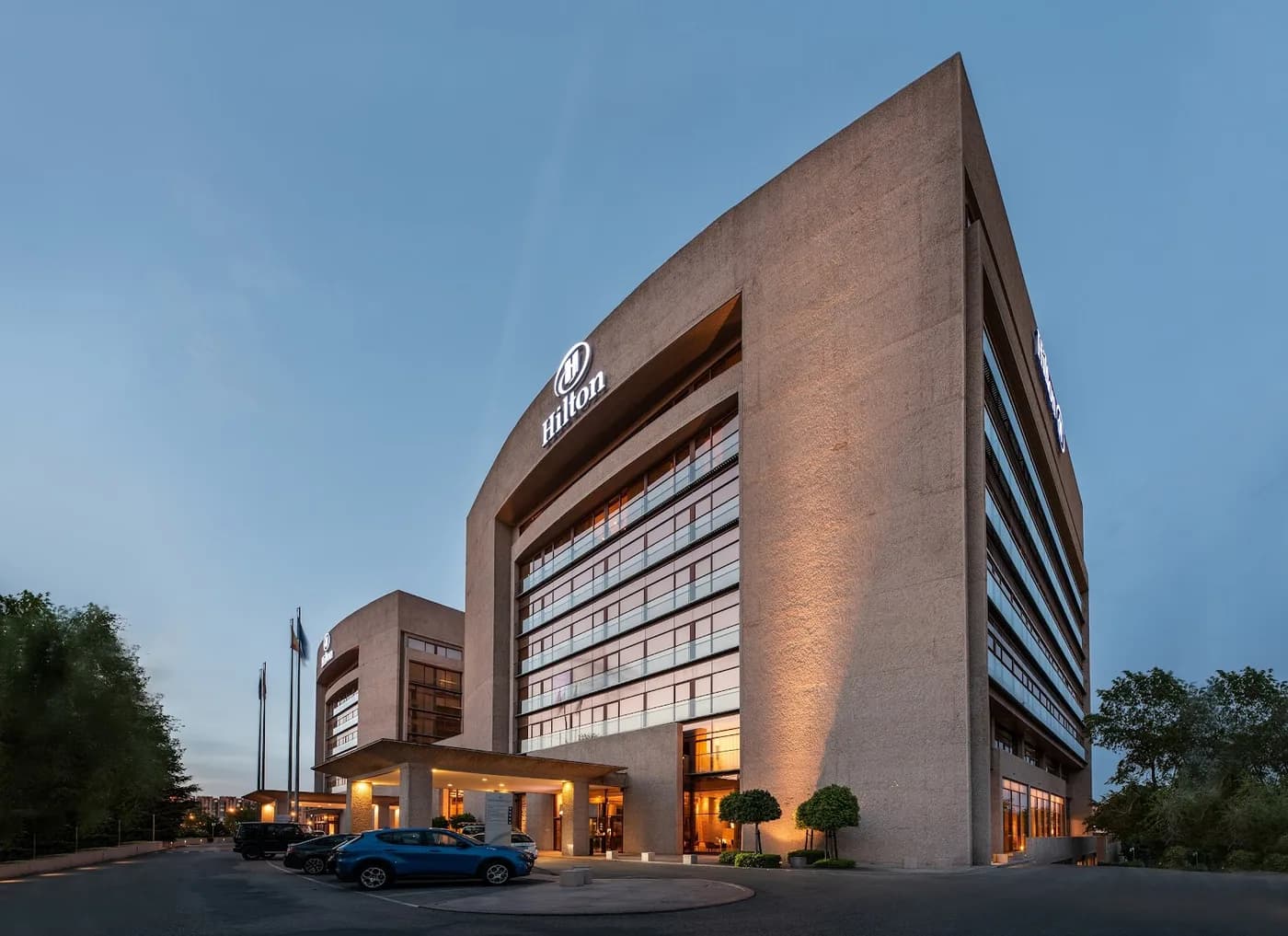
- One site, everything included. Hotels such as the Hilton Madrid Airport, about 5 minutes from Barajas and IFEMA, combine rooms with about 1,700 m² of meeting space, including the 450 m² Isabela room. No shuttles between accommodation and the workspace.
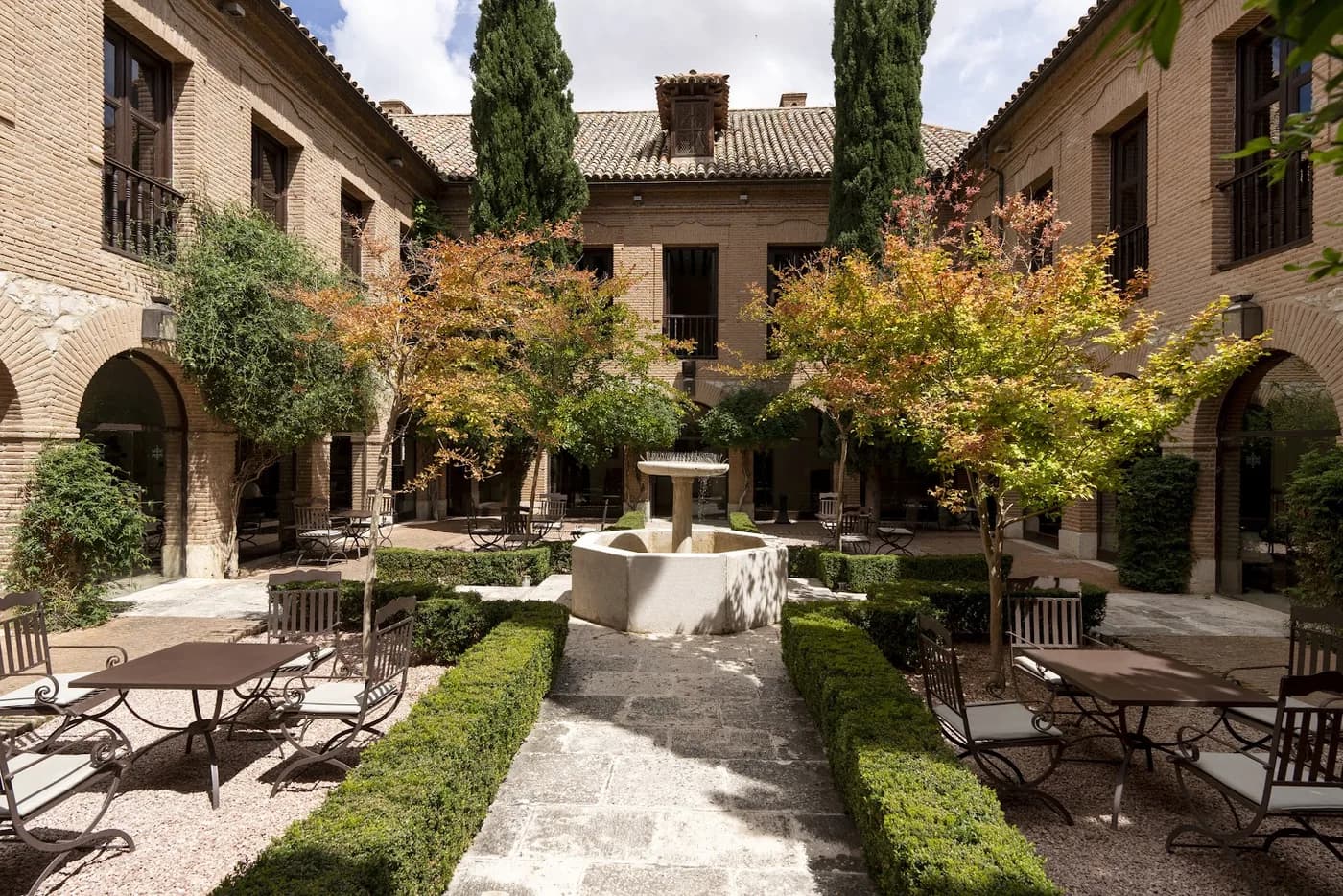
- A setting to switch off. The Parador de Chinchón, a 15th-century monastery, allows a genuinely calm retreat a short distance from Madrid, with cloister, gardens and salons for working sessions.
- The table as a tool. Late dinners, shared tapas and cooking classes spark conversations that screens do not.
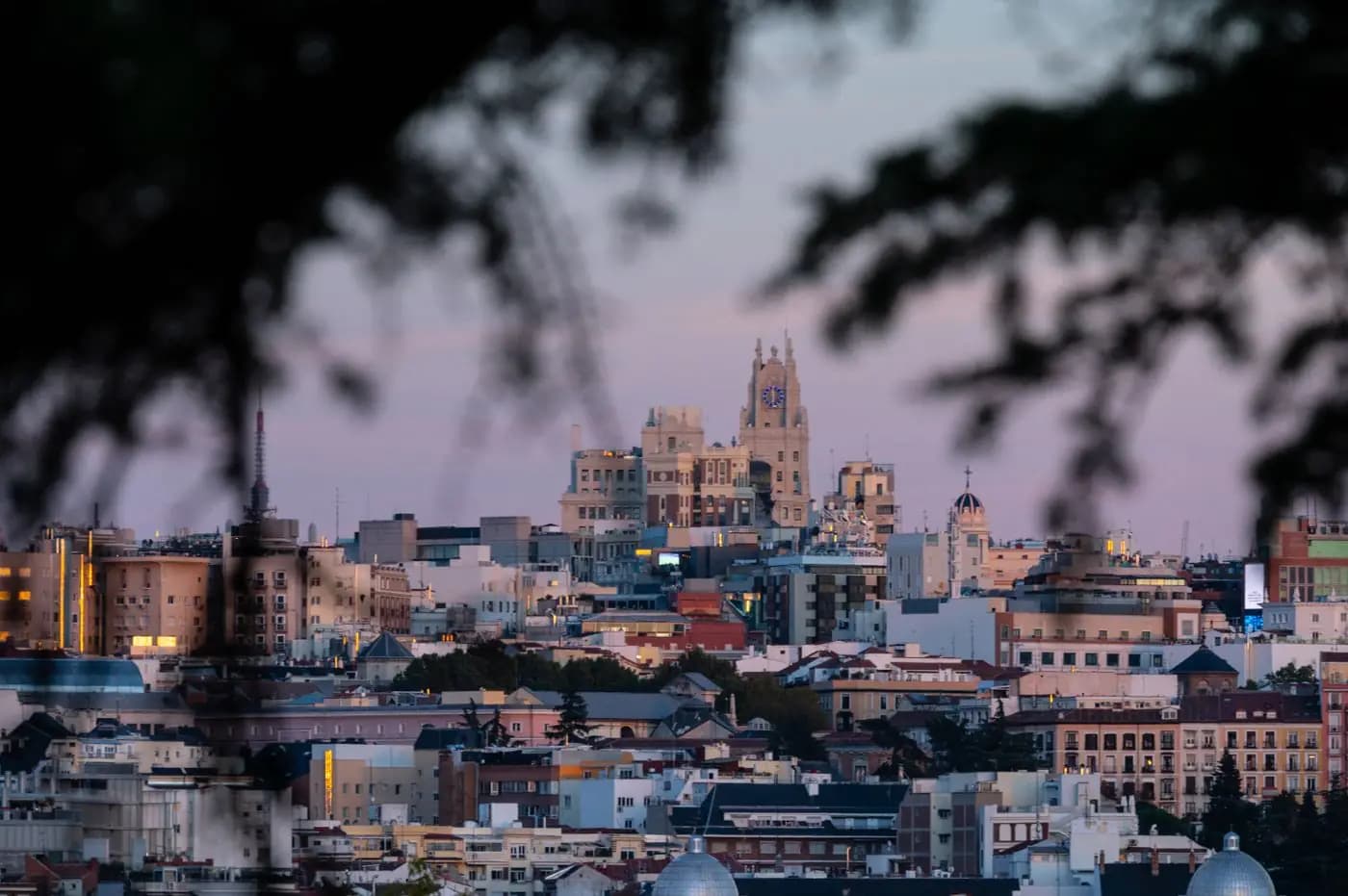
Buffer chose Madrid in 2017 and Doist held its first retreat in Menorca: Spain is already familiar ground for distributed teams.
How Solara DMC helps
Solara DMC is a destination management company for Spain. For a fully remote company, we build the gathering around your goals: plenaries, team workshops, informal moments and meals, with accommodation and rooms chosen together.
We handle airport welcome, transfers, rooms and catering, so your team can focus on why it made the trip. Send us your dates and we will come back to you with availability.
Frequently asked questions
Why would a 100% remote company organise in-person meetings?
For what video makes difficult: connection, trust, spontaneous conversation and delicate decisions. Companies such as Automattic, GitLab, Buffer, Zapier and Doist say so publicly.
Should the whole company meet, or only certain teams?
It depends on size and purpose. Many combine one large annual gathering with more targeted team meetings. We cover these choices in a dedicated article on frequency.
Is a Spanish destination practical for participants coming from several countries?
Yes: Madrid and Barcelona are major air hubs, and hotels such as the Hilton Madrid Airport combine accommodation and meeting rooms on one site.
Can Solara DMC organise the gathering end to end?
Yes. We coordinate hotel, rooms, transfers, catering and activities. Send us your dates and we will come back to you with availability.
Solara DMC · Updated
Sources
- Distributed.blog, « Inside the Grand Meetup » (Automattic)
- GitLab, article « How we scaled our summits »
- GitLab, handbook : Summits et Contributes précédents
- Buffer, rapport investisseurs T1 2017 (retraite de Madrid)
- Zapier, comment organiser une retraite d'entreprise à distance
- Doist, handbook : chronologie des retraites
- Aena, aéroport de Madrid-Barajas (MAD)